


Industry Insights
27 July 2026
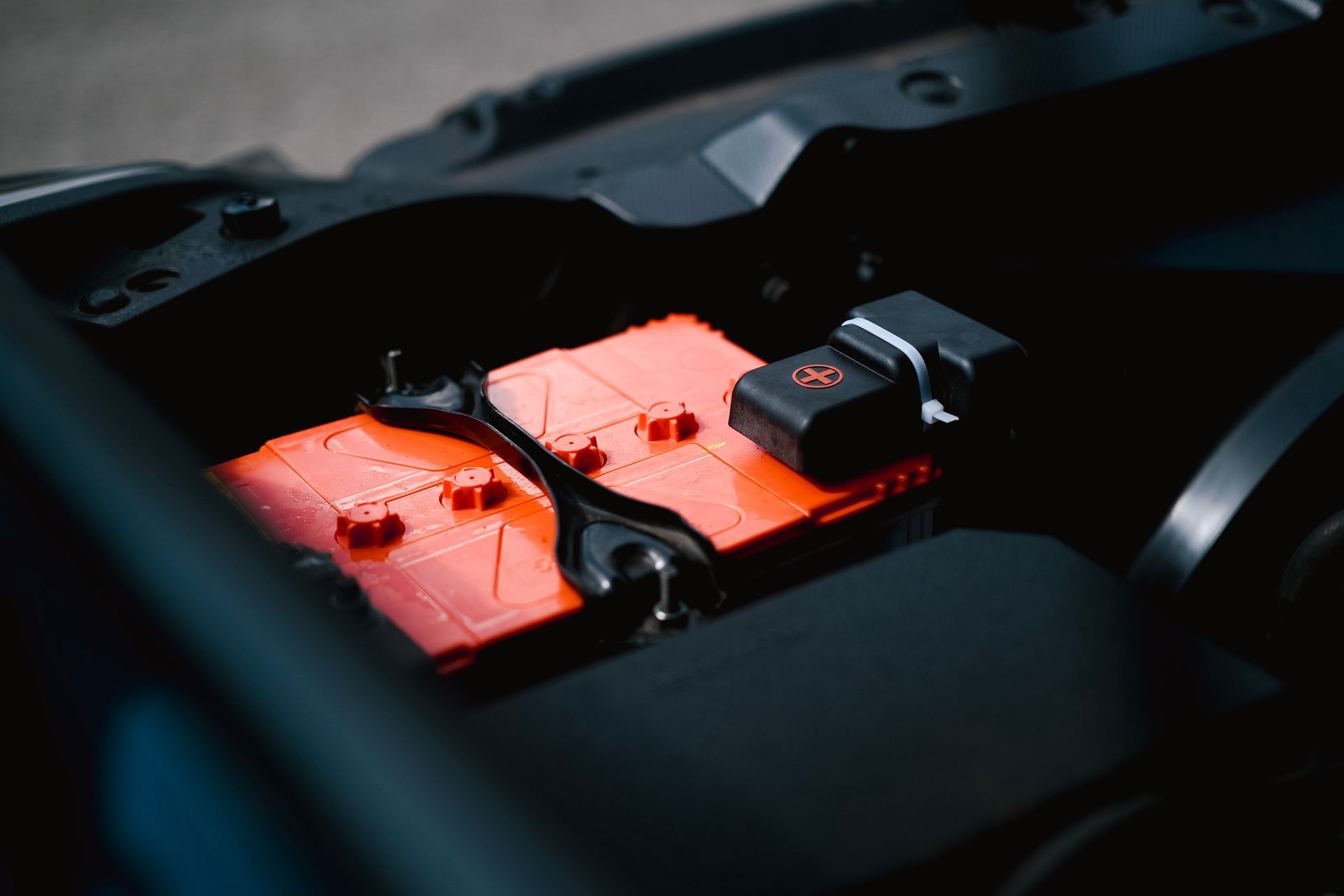
Choosing the right battery for your electric forklift fleet is one of the most important decisions you'll make as a business, and it affects far more than just the initial purchase price. Charging time, maintenance, running costs, and even the space you need to store and charge equipment all depend on whether you choose lithium-ion or lead-acid. With electric forklifts becoming more common across warehouses, manufacturing sites, and yards, understanding the trade offs between battery types helps you make the right call for your operation, budget, and shift pattern. RJ Hall Forklifts supplies, services, and supports a wide range of electric forklifts and handling equipment, and can help you weigh up which battery technology suits your fleet. Lead-Acid Forklift Batteries: The Established Option Lead-acid batteries have powered electric forklifts for decades and remain a reliable, well understood technology. They typically cost less to buy upfront, which makes them attractive for businesses with lower usage or tighter capital budgets. Key characteristics of lead-acid batteries: • Charging time - A full charge usually takes around 8 to 10 hours, followed by a cooling period of several hours before the battery can safely be used again. • Cycle life - Lead-acid batteries generally last somewhere in the region of 500 to 1,500 charge cycles, depending on how well they're maintained and how deeply they're discharged. • Maintenance - Regular watering, terminal cleaning, and equalising charges are needed to keep the battery performing well and to prevent premature failure. • Multi-shift use - Because of the long charge and cool down cycle, businesses running more than one shift often need spare batteries and a dedicated changeover process. • Performance - Power output gradually tapers off as the battery discharges, which can mean reduced lift speed and power later in a shift. Lead-acid remains a sound choice for single shift operations with predictable usage patterns and where the lower upfront cost matters more than long-term running costs.
4 June 2026
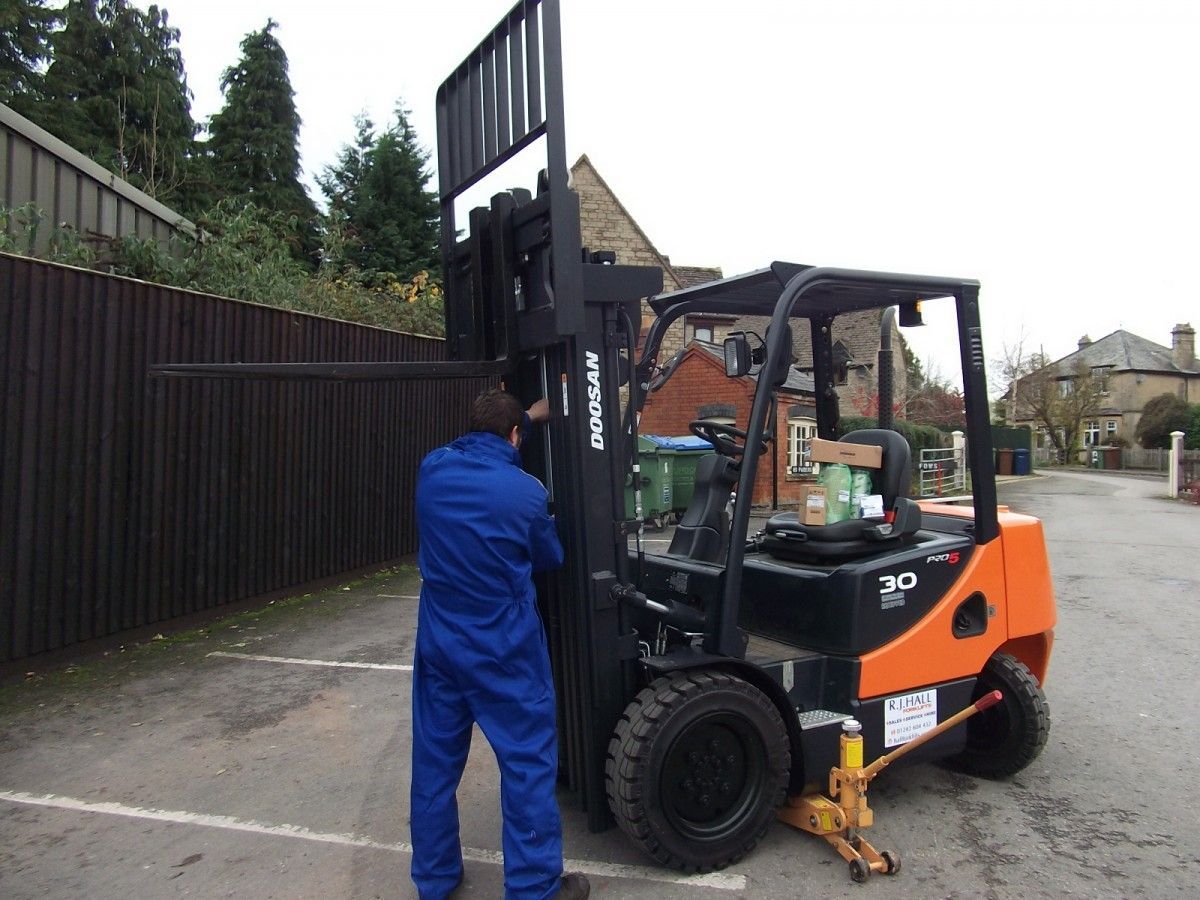
Keeping your forklift fleet running smoothly isn’t just about safety, it’s about protecting productivity, reducing unexpected costs, and ensuring your operations stay on schedule. Preventative maintenance is one of the most effective ways to avoid breakdowns, extend equipment life, and keep your business moving without interruption. RJ Hall Forklifts provides comprehensive servicing, repairs, and safety examinations designed to minimise downtime and keep your equipment compliant and reliable. Why Preventative Maintenance Matters Unexpected forklift breakdowns can bring an entire operation to a halt. Preventative maintenance helps identify issues early, reducing the risk of costly repairs and unplanned stoppages. Key benefits include: Reduced downtime - Issues are caught before they escalate into major failures. Lower repair costs - Preventative care avoids expensive emergency repairs. Improved safety - Regular checks reduce the risk of workplace incidents. Longer equipment lifespan - Well maintained forklifts last significantly longer. Consistent performance - Reliable machinery keeps your workflow steady and efficient
20 April 2026
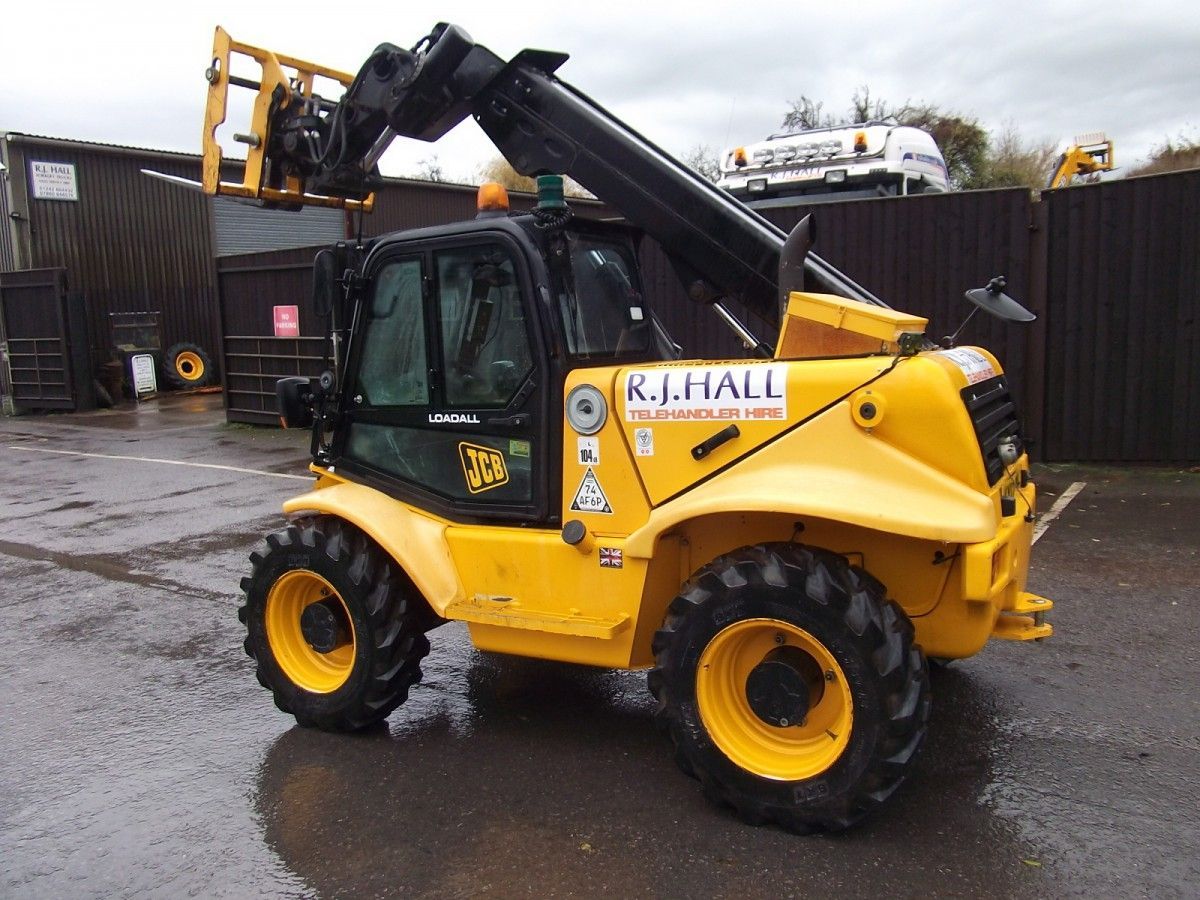
How Flexible Hire Keeps Your Operation Moving Choosing to hire forklifts and telehandlers can be a strategic decision for businesses that need flexibility, predictable costs, and access to modern equipment without the long‑term commitment of ownership. Hiring forklifts, telehandlers, and other material‑handling equipment offers businesses a practical way to stay flexible, control costs, and reduce downtime. Whether you’re dealing with seasonal peaks, unexpected breakdowns, or long‑term operational growth, hire solutions give you access to reliable, well‑maintained machinery without the financial pressure of ownership. For many businesses, the decision comes down to utilisation, cash flow, and the need for operational agility. If your workload fluctuates or you want predictable monthly costs with minimal maintenance responsibility, hiring is often the most efficient route. If you have constant, high‑hour usage over many years, buying may still be worth considering — but even then, hire can play a valuable role in covering gaps or trialling new technology. Whatever your situation, understanding the differences between hire and purchase helps you make informed, cost‑effective decisions that keep your operation running smoothly. Why Hiring Equipment Makes Sense Hiring converts large capital purchases into manageable operating costs and lets you match capacity to demand. It is particularly useful for: Seasonal peaks and short projects where extra capacity is needed for a limited time. One‑off or specialist tasks that require a machine you don’t want to keep on the fleet. Trialling new technology to evaluate performance and operator acceptance before committing to purchase. Preserving cash flow so capital can be used for core business needs rather than tied up in assets. Reducing maintenance burden when hire agreements include servicing and breakdown support. Hiring is not just a stopgap — when used strategically it becomes a tool for operational agility and risk management. Hire versus Buy at a glance
15 April 2026
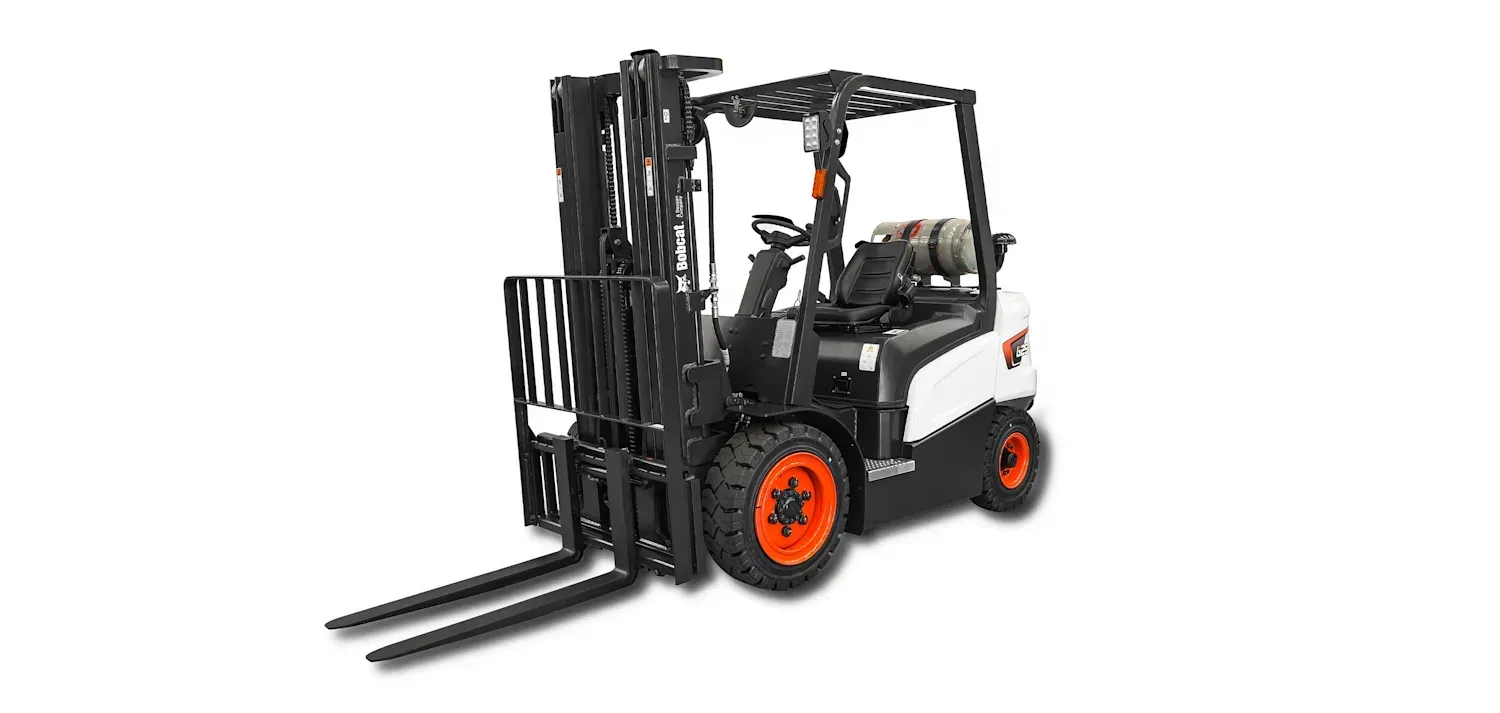
Choosing the right forklift is essential for keeping your operations safe, efficient, and productive. Whether you work in warehousing, manufacturing, construction, retail, or agriculture, the type of forklift you select will directly impact workflow, running costs, and operator safety. With over 40 years of experience in the materials handling industry, RJ Hall Forklifts helps businesses across Gloucestershire and surrounding counties choose the most suitable equipment for their environment. From compact electric warehouse trucks to heavy‑duty outdoor machines, each forklift type is designed with specific tasks and conditions in mind. Below, we break down the key forklift categories and the environments they’re best suited for. Indoor Forklifts: Ideal for Warehouses, Retail & Manufacturing Indoor environments require forklifts that are clean, quiet, and highly manoeuvrable. The most common options include: Electric Counterbalance Forklifts Electric counterbalance trucks are one of the most popular choices for indoor operations. Best for: Warehouses Manufacturing facilities Food production Retail stockrooms Key features: Zero emissions Quiet operation Excellent manoeuvrability Lower long‑term running costs Why choose electric? They’re perfect for enclosed spaces where ventilation is limited and noise levels need to be controlled. Their compact design also allows operators to work efficiently in tight aisles. Reach Trucks Designed specifically for warehouse racking systems, reach trucks excel in narrow aisles and high‑level storage. Best for: High‑bay warehouses Distribution centres Cold stores Key features: Extended reach for tall racking Narrow chassis for tight aisles Excellent visibility for operators If your business relies on vertical storage, a reach truck is often the most efficient choice. Powered Pallet Trucks & Stackers These compact machines are ideal for fast‑paced warehouse operations. Best for: Loading bays Order picking Short distance pallet movement Key features: Easy to operate Low maintenance Ideal for confined spaces They’re perfect for businesses that need quick, efficient pallet handling without the need for a full size forklift. Outdoor Forklifts: Built for Tougher Conditions Diesel Counterbalance Forklifts Diesel forklifts are powerful, durable, and ideal for heavy‑duty outdoor work. Best for: Construction sites Timber yards Agriculture Industrial yards Key features: High torque for heavy loads Excellent performance on rough terrain Long operating hours Diesel trucks are the go‑to choice when strength and endurance are essential. LPG (Gas) Forklifts LPG forklifts offer a balance between indoor and outdoor performance. Best for: Mixed indoor/outdoor operations Warehouses with good ventilation Manufacturing sites Key features: Lower emissions than diesel Quick refuelling Strong lifting performance They’re versatile machines suitable for businesses that need flexibility across different environments. Rough Terrain Forklifts Designed for the harshest conditions, rough terrain forklifts are built to perform where standard trucks cannot. Best for: Construction Farming Landscaping Outdoor events Key features: Large pneumatic tyres High ground clearance Excellent stability on uneven surfaces If your site has mud, gravel, or slopes, a rough terrain forklift is essential. Warehouse Specific Forklifts: Maximising Space & Efficiency Modern warehouses often require specialised equipment to optimise storage and picking. Very Narrow Aisle (VNA) Trucks VNA trucks are engineered for maximum space efficiency. Best for: High density storage Warehouses with limited floor space Key features: Operate in extremely narrow aisles High lift heights Advanced guidance systems They allow businesses to increase storage capacity without expanding their premises. Order Pickers Order pickers are designed for fast, accurate picking in busy warehouse environments. Best for: E‑commerce Retail distribution High volume picking operations Key features: Operator platform lifts with the load Excellent visibility Ideal for multi level picking They significantly improve picking speed and accuracy. Key Factors to Consider When Choosing a Forklift Selecting the right forklift isn’t just about the environment — it’s about matching the machine to your operational needs. 1. Load Capacity Consider: Maximum load weight Load size Load centre Choosing a forklift with insufficient capacity can be dangerous and inefficient. 2. Lift Height Think about: Racking height Doorway clearance Overhead obstructions Different forklifts are designed for different lift requirements. 3. Manoeuvrability Narrow aisles and tight spaces require compact, agile machines such as reach trucks or electric counterbalance forklifts. 4. Fuel Type Your choice affects: Running costs Emissions Indoor air quality Refuelling/charging time 5. Terrain Smooth warehouse floors and uneven outdoor surfaces require very different forklift designs. Why Choose RJ Hall Forklifts? With decades of experience and a deep understanding of materials handling, RJ Hall Forklifts helps businesses choose the right equipment for their environment and workload. We offer: Expert advice tailored to your site A wide range of forklifts for indoor and outdoor use New and used forklift sales Short and long term hire options Professional servicing and maintenance ITSSAR accredited operator training Whether you’re upgrading your fleet or choosing your first forklift, we provide practical, honest guidance to ensure you get the right machine for the job. Frequently asked questions
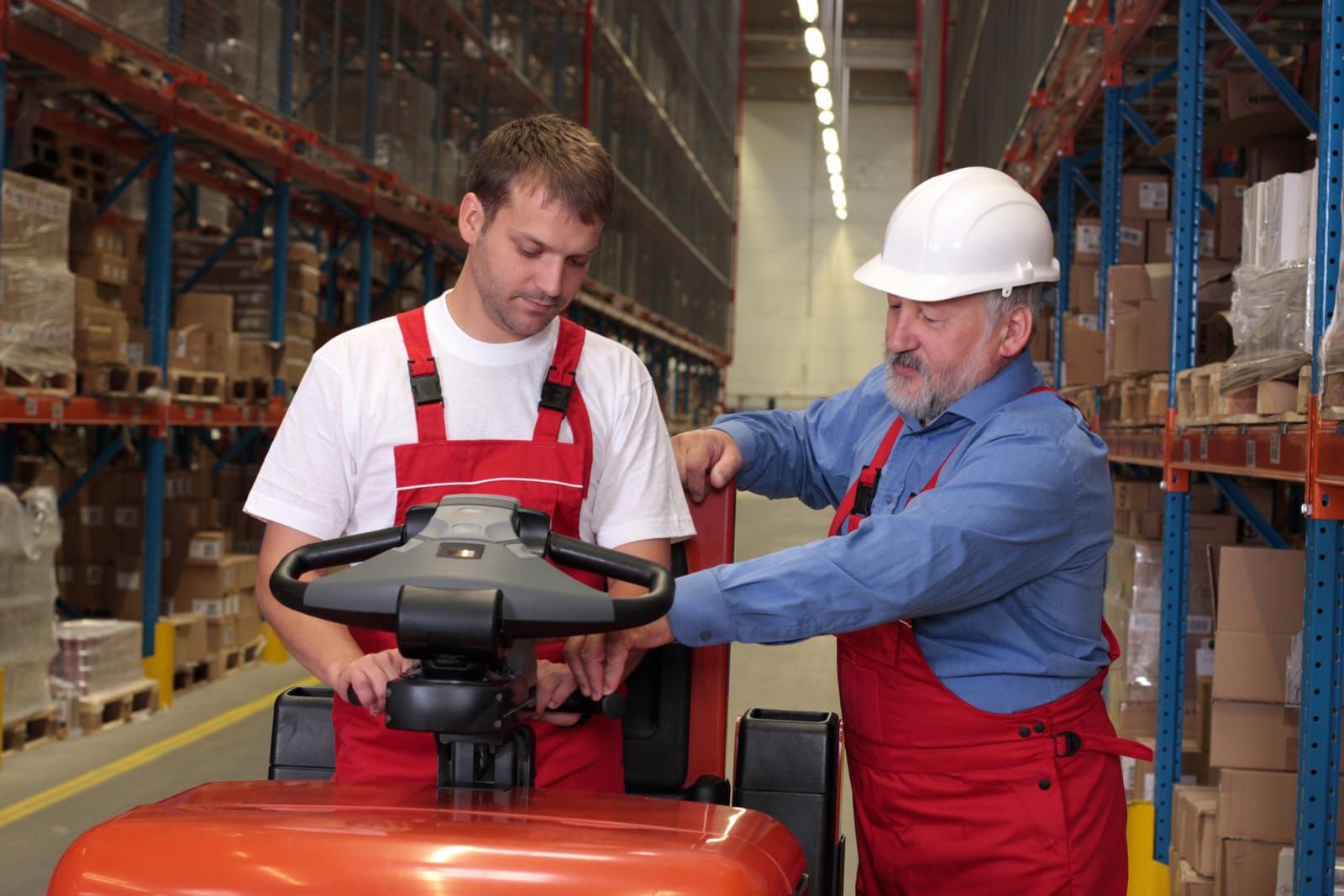
19 March 2026
Forklift training in Gloucestershire and surrounding counties. RJ Hall Forklifts provides ITSSAR accredited courses for all operator levels.
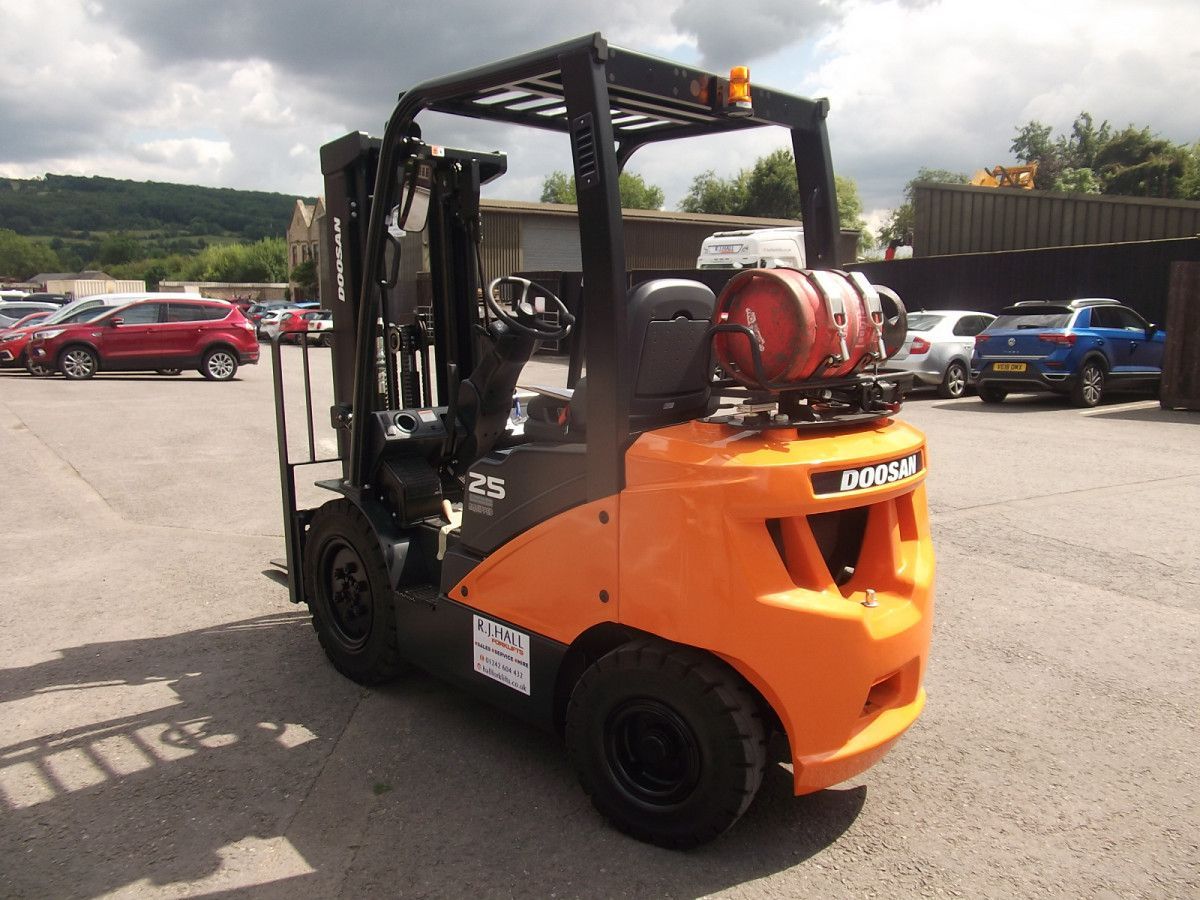
26 February 2026
Discover why forklifts boost efficiency, safety, and productivity. Expert guidance on choosing the right forklift for your business from RJ Hall Forklifts.
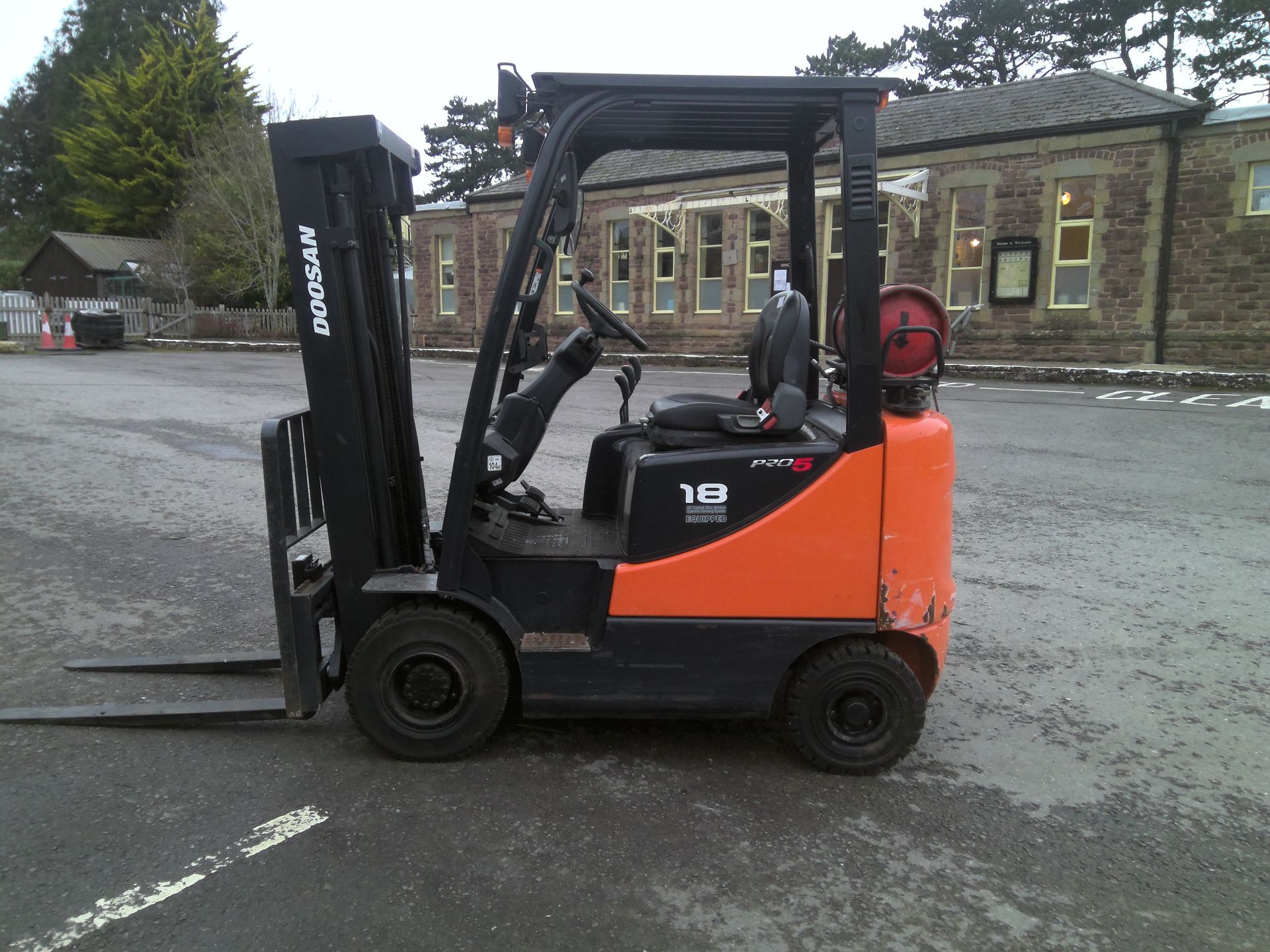
26 February 2026
Looking at used forklifts for sale? Discover what to check before buying, from service history to lift capacity. Expert advice from RJ Hall Forklifts.
27 July 2026
Choosing the right battery for your electric forklift fleet is one of the most important decisions you'll make as a business, and it affects far more than just the initial purchase price. Charging time, maintenance, running costs, and even the space you need to store and charge equipment all depend on whether you choose lithium-ion or lead-acid. With electric forklifts becoming more common across warehouses, manufacturing sites, and yards, understanding the trade offs between battery types helps you make the right call for your operation, budget, and shift pattern. RJ Hall Forklifts supplies, services, and supports a wide range of electric forklifts and handling equipment, and can help you weigh up which battery technology suits your fleet. Lead-Acid Forklift Batteries: The Established Option Lead-acid batteries have powered electric forklifts for decades and remain a reliable, well understood technology. They typically cost less to buy upfront, which makes them attractive for businesses with lower usage or tighter capital budgets. Key characteristics of lead-acid batteries: • Charging time - A full charge usually takes around 8 to 10 hours, followed by a cooling period of several hours before the battery can safely be used again. • Cycle life - Lead-acid batteries generally last somewhere in the region of 500 to 1,500 charge cycles, depending on how well they're maintained and how deeply they're discharged. • Maintenance - Regular watering, terminal cleaning, and equalising charges are needed to keep the battery performing well and to prevent premature failure. • Multi-shift use - Because of the long charge and cool down cycle, businesses running more than one shift often need spare batteries and a dedicated changeover process. • Performance - Power output gradually tapers off as the battery discharges, which can mean reduced lift speed and power later in a shift. Lead-acid remains a sound choice for single shift operations with predictable usage patterns and where the lower upfront cost matters more than long-term running costs.
4 June 2026
Keeping your forklift fleet running smoothly isn’t just about safety, it’s about protecting productivity, reducing unexpected costs, and ensuring your operations stay on schedule. Preventative maintenance is one of the most effective ways to avoid breakdowns, extend equipment life, and keep your business moving without interruption. RJ Hall Forklifts provides comprehensive servicing, repairs, and safety examinations designed to minimise downtime and keep your equipment compliant and reliable. Why Preventative Maintenance Matters Unexpected forklift breakdowns can bring an entire operation to a halt. Preventative maintenance helps identify issues early, reducing the risk of costly repairs and unplanned stoppages. Key benefits include: Reduced downtime - Issues are caught before they escalate into major failures. Lower repair costs - Preventative care avoids expensive emergency repairs. Improved safety - Regular checks reduce the risk of workplace incidents. Longer equipment lifespan - Well maintained forklifts last significantly longer. Consistent performance - Reliable machinery keeps your workflow steady and efficient
20 April 2026
How Flexible Hire Keeps Your Operation Moving Choosing to hire forklifts and telehandlers can be a strategic decision for businesses that need flexibility, predictable costs, and access to modern equipment without the long‑term commitment of ownership. Hiring forklifts, telehandlers, and other material‑handling equipment offers businesses a practical way to stay flexible, control costs, and reduce downtime. Whether you’re dealing with seasonal peaks, unexpected breakdowns, or long‑term operational growth, hire solutions give you access to reliable, well‑maintained machinery without the financial pressure of ownership. For many businesses, the decision comes down to utilisation, cash flow, and the need for operational agility. If your workload fluctuates or you want predictable monthly costs with minimal maintenance responsibility, hiring is often the most efficient route. If you have constant, high‑hour usage over many years, buying may still be worth considering — but even then, hire can play a valuable role in covering gaps or trialling new technology. Whatever your situation, understanding the differences between hire and purchase helps you make informed, cost‑effective decisions that keep your operation running smoothly. Why Hiring Equipment Makes Sense Hiring converts large capital purchases into manageable operating costs and lets you match capacity to demand. It is particularly useful for: Seasonal peaks and short projects where extra capacity is needed for a limited time. One‑off or specialist tasks that require a machine you don’t want to keep on the fleet. Trialling new technology to evaluate performance and operator acceptance before committing to purchase. Preserving cash flow so capital can be used for core business needs rather than tied up in assets. Reducing maintenance burden when hire agreements include servicing and breakdown support. Hiring is not just a stopgap — when used strategically it becomes a tool for operational agility and risk management. Hire versus Buy at a glance
15 April 2026
Choosing the right forklift is essential for keeping your operations safe, efficient, and productive. Whether you work in warehousing, manufacturing, construction, retail, or agriculture, the type of forklift you select will directly impact workflow, running costs, and operator safety. With over 40 years of experience in the materials handling industry, RJ Hall Forklifts helps businesses across Gloucestershire and surrounding counties choose the most suitable equipment for their environment. From compact electric warehouse trucks to heavy‑duty outdoor machines, each forklift type is designed with specific tasks and conditions in mind. Below, we break down the key forklift categories and the environments they’re best suited for. Indoor Forklifts: Ideal for Warehouses, Retail & Manufacturing Indoor environments require forklifts that are clean, quiet, and highly manoeuvrable. The most common options include: Electric Counterbalance Forklifts Electric counterbalance trucks are one of the most popular choices for indoor operations. Best for: Warehouses Manufacturing facilities Food production Retail stockrooms Key features: Zero emissions Quiet operation Excellent manoeuvrability Lower long‑term running costs Why choose electric? They’re perfect for enclosed spaces where ventilation is limited and noise levels need to be controlled. Their compact design also allows operators to work efficiently in tight aisles. Reach Trucks Designed specifically for warehouse racking systems, reach trucks excel in narrow aisles and high‑level storage. Best for: High‑bay warehouses Distribution centres Cold stores Key features: Extended reach for tall racking Narrow chassis for tight aisles Excellent visibility for operators If your business relies on vertical storage, a reach truck is often the most efficient choice. Powered Pallet Trucks & Stackers These compact machines are ideal for fast‑paced warehouse operations. Best for: Loading bays Order picking Short distance pallet movement Key features: Easy to operate Low maintenance Ideal for confined spaces They’re perfect for businesses that need quick, efficient pallet handling without the need for a full size forklift. Outdoor Forklifts: Built for Tougher Conditions Diesel Counterbalance Forklifts Diesel forklifts are powerful, durable, and ideal for heavy‑duty outdoor work. Best for: Construction sites Timber yards Agriculture Industrial yards Key features: High torque for heavy loads Excellent performance on rough terrain Long operating hours Diesel trucks are the go‑to choice when strength and endurance are essential. LPG (Gas) Forklifts LPG forklifts offer a balance between indoor and outdoor performance. Best for: Mixed indoor/outdoor operations Warehouses with good ventilation Manufacturing sites Key features: Lower emissions than diesel Quick refuelling Strong lifting performance They’re versatile machines suitable for businesses that need flexibility across different environments. Rough Terrain Forklifts Designed for the harshest conditions, rough terrain forklifts are built to perform where standard trucks cannot. Best for: Construction Farming Landscaping Outdoor events Key features: Large pneumatic tyres High ground clearance Excellent stability on uneven surfaces If your site has mud, gravel, or slopes, a rough terrain forklift is essential. Warehouse Specific Forklifts: Maximising Space & Efficiency Modern warehouses often require specialised equipment to optimise storage and picking. Very Narrow Aisle (VNA) Trucks VNA trucks are engineered for maximum space efficiency. Best for: High density storage Warehouses with limited floor space Key features: Operate in extremely narrow aisles High lift heights Advanced guidance systems They allow businesses to increase storage capacity without expanding their premises. Order Pickers Order pickers are designed for fast, accurate picking in busy warehouse environments. Best for: E‑commerce Retail distribution High volume picking operations Key features: Operator platform lifts with the load Excellent visibility Ideal for multi level picking They significantly improve picking speed and accuracy. Key Factors to Consider When Choosing a Forklift Selecting the right forklift isn’t just about the environment — it’s about matching the machine to your operational needs. 1. Load Capacity Consider: Maximum load weight Load size Load centre Choosing a forklift with insufficient capacity can be dangerous and inefficient. 2. Lift Height Think about: Racking height Doorway clearance Overhead obstructions Different forklifts are designed for different lift requirements. 3. Manoeuvrability Narrow aisles and tight spaces require compact, agile machines such as reach trucks or electric counterbalance forklifts. 4. Fuel Type Your choice affects: Running costs Emissions Indoor air quality Refuelling/charging time 5. Terrain Smooth warehouse floors and uneven outdoor surfaces require very different forklift designs. Why Choose RJ Hall Forklifts? With decades of experience and a deep understanding of materials handling, RJ Hall Forklifts helps businesses choose the right equipment for their environment and workload. We offer: Expert advice tailored to your site A wide range of forklifts for indoor and outdoor use New and used forklift sales Short and long term hire options Professional servicing and maintenance ITSSAR accredited operator training Whether you’re upgrading your fleet or choosing your first forklift, we provide practical, honest guidance to ensure you get the right machine for the job. Frequently asked questions
19 March 2026
Forklift training in Gloucestershire and surrounding counties. RJ Hall Forklifts provides ITSSAR accredited courses for all operator levels.
26 February 2026
Discover why forklifts boost efficiency, safety, and productivity. Expert guidance on choosing the right forklift for your business from RJ Hall Forklifts.
26 February 2026
Looking at used forklifts for sale? Discover what to check before buying, from service history to lift capacity. Expert advice from RJ Hall Forklifts.
27 July 2026
Choosing the right battery for your electric forklift fleet is one of the most important decisions you'll make as a business, and it affects far more than just the initial purchase price. Charging time, maintenance, running costs, and even the space you need to store and charge equipment all depend on whether you choose lithium-ion or lead-acid. With electric forklifts becoming more common across warehouses, manufacturing sites, and yards, understanding the trade offs between battery types helps you make the right call for your operation, budget, and shift pattern. RJ Hall Forklifts supplies, services, and supports a wide range of electric forklifts and handling equipment, and can help you weigh up which battery technology suits your fleet. Lead-Acid Forklift Batteries: The Established Option Lead-acid batteries have powered electric forklifts for decades and remain a reliable, well understood technology. They typically cost less to buy upfront, which makes them attractive for businesses with lower usage or tighter capital budgets. Key characteristics of lead-acid batteries: • Charging time - A full charge usually takes around 8 to 10 hours, followed by a cooling period of several hours before the battery can safely be used again. • Cycle life - Lead-acid batteries generally last somewhere in the region of 500 to 1,500 charge cycles, depending on how well they're maintained and how deeply they're discharged. • Maintenance - Regular watering, terminal cleaning, and equalising charges are needed to keep the battery performing well and to prevent premature failure. • Multi-shift use - Because of the long charge and cool down cycle, businesses running more than one shift often need spare batteries and a dedicated changeover process. • Performance - Power output gradually tapers off as the battery discharges, which can mean reduced lift speed and power later in a shift. Lead-acid remains a sound choice for single shift operations with predictable usage patterns and where the lower upfront cost matters more than long-term running costs.
4 June 2026
Keeping your forklift fleet running smoothly isn’t just about safety, it’s about protecting productivity, reducing unexpected costs, and ensuring your operations stay on schedule. Preventative maintenance is one of the most effective ways to avoid breakdowns, extend equipment life, and keep your business moving without interruption. RJ Hall Forklifts provides comprehensive servicing, repairs, and safety examinations designed to minimise downtime and keep your equipment compliant and reliable. Why Preventative Maintenance Matters Unexpected forklift breakdowns can bring an entire operation to a halt. Preventative maintenance helps identify issues early, reducing the risk of costly repairs and unplanned stoppages. Key benefits include: Reduced downtime - Issues are caught before they escalate into major failures. Lower repair costs - Preventative care avoids expensive emergency repairs. Improved safety - Regular checks reduce the risk of workplace incidents. Longer equipment lifespan - Well maintained forklifts last significantly longer. Consistent performance - Reliable machinery keeps your workflow steady and efficient
20 April 2026
How Flexible Hire Keeps Your Operation Moving Choosing to hire forklifts and telehandlers can be a strategic decision for businesses that need flexibility, predictable costs, and access to modern equipment without the long‑term commitment of ownership. Hiring forklifts, telehandlers, and other material‑handling equipment offers businesses a practical way to stay flexible, control costs, and reduce downtime. Whether you’re dealing with seasonal peaks, unexpected breakdowns, or long‑term operational growth, hire solutions give you access to reliable, well‑maintained machinery without the financial pressure of ownership. For many businesses, the decision comes down to utilisation, cash flow, and the need for operational agility. If your workload fluctuates or you want predictable monthly costs with minimal maintenance responsibility, hiring is often the most efficient route. If you have constant, high‑hour usage over many years, buying may still be worth considering — but even then, hire can play a valuable role in covering gaps or trialling new technology. Whatever your situation, understanding the differences between hire and purchase helps you make informed, cost‑effective decisions that keep your operation running smoothly. Why Hiring Equipment Makes Sense Hiring converts large capital purchases into manageable operating costs and lets you match capacity to demand. It is particularly useful for: Seasonal peaks and short projects where extra capacity is needed for a limited time. One‑off or specialist tasks that require a machine you don’t want to keep on the fleet. Trialling new technology to evaluate performance and operator acceptance before committing to purchase. Preserving cash flow so capital can be used for core business needs rather than tied up in assets. Reducing maintenance burden when hire agreements include servicing and breakdown support. Hiring is not just a stopgap — when used strategically it becomes a tool for operational agility and risk management. Hire versus Buy at a glance
15 April 2026
Choosing the right forklift is essential for keeping your operations safe, efficient, and productive. Whether you work in warehousing, manufacturing, construction, retail, or agriculture, the type of forklift you select will directly impact workflow, running costs, and operator safety. With over 40 years of experience in the materials handling industry, RJ Hall Forklifts helps businesses across Gloucestershire and surrounding counties choose the most suitable equipment for their environment. From compact electric warehouse trucks to heavy‑duty outdoor machines, each forklift type is designed with specific tasks and conditions in mind. Below, we break down the key forklift categories and the environments they’re best suited for. Indoor Forklifts: Ideal for Warehouses, Retail & Manufacturing Indoor environments require forklifts that are clean, quiet, and highly manoeuvrable. The most common options include: Electric Counterbalance Forklifts Electric counterbalance trucks are one of the most popular choices for indoor operations. Best for: Warehouses Manufacturing facilities Food production Retail stockrooms Key features: Zero emissions Quiet operation Excellent manoeuvrability Lower long‑term running costs Why choose electric? They’re perfect for enclosed spaces where ventilation is limited and noise levels need to be controlled. Their compact design also allows operators to work efficiently in tight aisles. Reach Trucks Designed specifically for warehouse racking systems, reach trucks excel in narrow aisles and high‑level storage. Best for: High‑bay warehouses Distribution centres Cold stores Key features: Extended reach for tall racking Narrow chassis for tight aisles Excellent visibility for operators If your business relies on vertical storage, a reach truck is often the most efficient choice. Powered Pallet Trucks & Stackers These compact machines are ideal for fast‑paced warehouse operations. Best for: Loading bays Order picking Short distance pallet movement Key features: Easy to operate Low maintenance Ideal for confined spaces They’re perfect for businesses that need quick, efficient pallet handling without the need for a full size forklift. Outdoor Forklifts: Built for Tougher Conditions Diesel Counterbalance Forklifts Diesel forklifts are powerful, durable, and ideal for heavy‑duty outdoor work. Best for: Construction sites Timber yards Agriculture Industrial yards Key features: High torque for heavy loads Excellent performance on rough terrain Long operating hours Diesel trucks are the go‑to choice when strength and endurance are essential. LPG (Gas) Forklifts LPG forklifts offer a balance between indoor and outdoor performance. Best for: Mixed indoor/outdoor operations Warehouses with good ventilation Manufacturing sites Key features: Lower emissions than diesel Quick refuelling Strong lifting performance They’re versatile machines suitable for businesses that need flexibility across different environments. Rough Terrain Forklifts Designed for the harshest conditions, rough terrain forklifts are built to perform where standard trucks cannot. Best for: Construction Farming Landscaping Outdoor events Key features: Large pneumatic tyres High ground clearance Excellent stability on uneven surfaces If your site has mud, gravel, or slopes, a rough terrain forklift is essential. Warehouse Specific Forklifts: Maximising Space & Efficiency Modern warehouses often require specialised equipment to optimise storage and picking. Very Narrow Aisle (VNA) Trucks VNA trucks are engineered for maximum space efficiency. Best for: High density storage Warehouses with limited floor space Key features: Operate in extremely narrow aisles High lift heights Advanced guidance systems They allow businesses to increase storage capacity without expanding their premises. Order Pickers Order pickers are designed for fast, accurate picking in busy warehouse environments. Best for: E‑commerce Retail distribution High volume picking operations Key features: Operator platform lifts with the load Excellent visibility Ideal for multi level picking They significantly improve picking speed and accuracy. Key Factors to Consider When Choosing a Forklift Selecting the right forklift isn’t just about the environment — it’s about matching the machine to your operational needs. 1. Load Capacity Consider: Maximum load weight Load size Load centre Choosing a forklift with insufficient capacity can be dangerous and inefficient. 2. Lift Height Think about: Racking height Doorway clearance Overhead obstructions Different forklifts are designed for different lift requirements. 3. Manoeuvrability Narrow aisles and tight spaces require compact, agile machines such as reach trucks or electric counterbalance forklifts. 4. Fuel Type Your choice affects: Running costs Emissions Indoor air quality Refuelling/charging time 5. Terrain Smooth warehouse floors and uneven outdoor surfaces require very different forklift designs. Why Choose RJ Hall Forklifts? With decades of experience and a deep understanding of materials handling, RJ Hall Forklifts helps businesses choose the right equipment for their environment and workload. We offer: Expert advice tailored to your site A wide range of forklifts for indoor and outdoor use New and used forklift sales Short and long term hire options Professional servicing and maintenance ITSSAR accredited operator training Whether you’re upgrading your fleet or choosing your first forklift, we provide practical, honest guidance to ensure you get the right machine for the job. Frequently asked questions
19 March 2026
Forklift training in Gloucestershire and surrounding counties. RJ Hall Forklifts provides ITSSAR accredited courses for all operator levels.
26 February 2026
Discover why forklifts boost efficiency, safety, and productivity. Expert guidance on choosing the right forklift for your business from RJ Hall Forklifts.
26 February 2026
Looking at used forklifts for sale? Discover what to check before buying, from service history to lift capacity. Expert advice from RJ Hall Forklifts.


