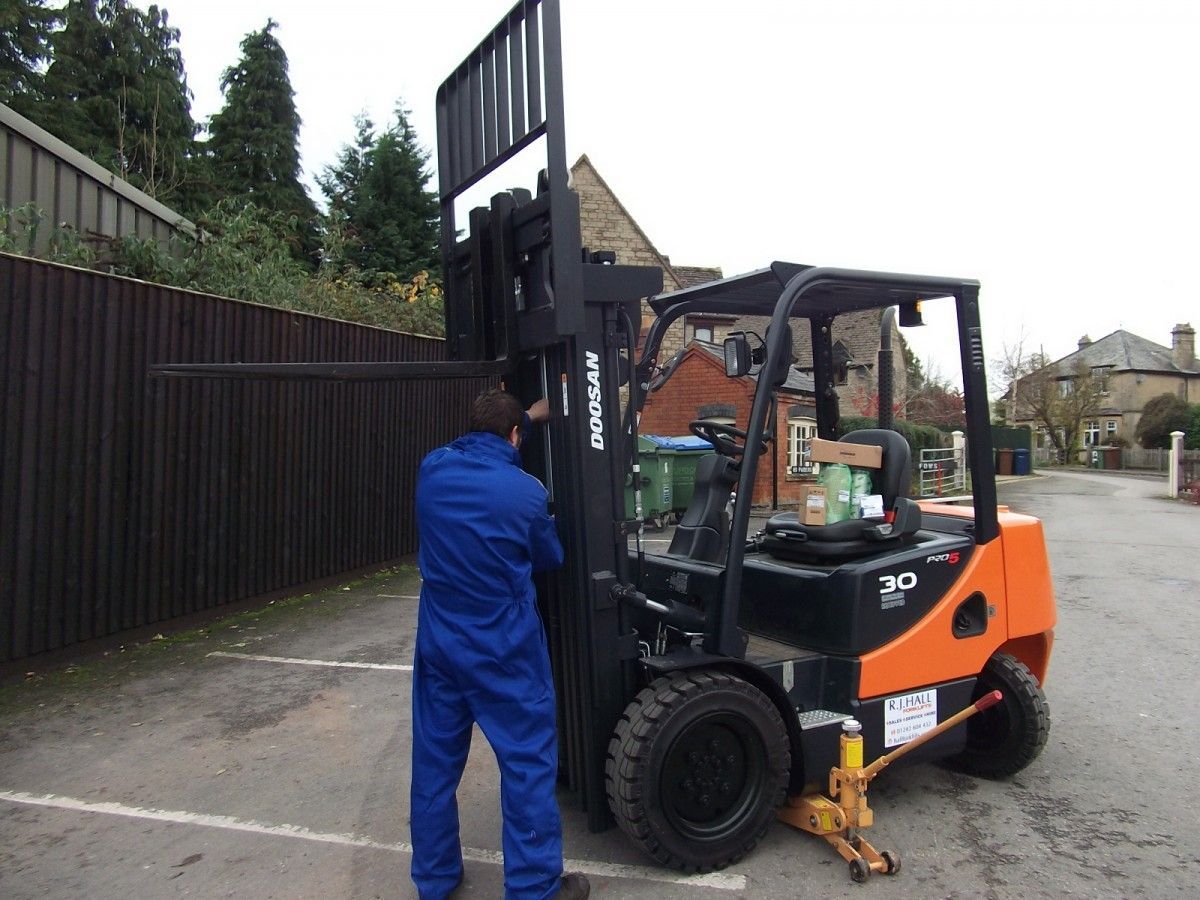
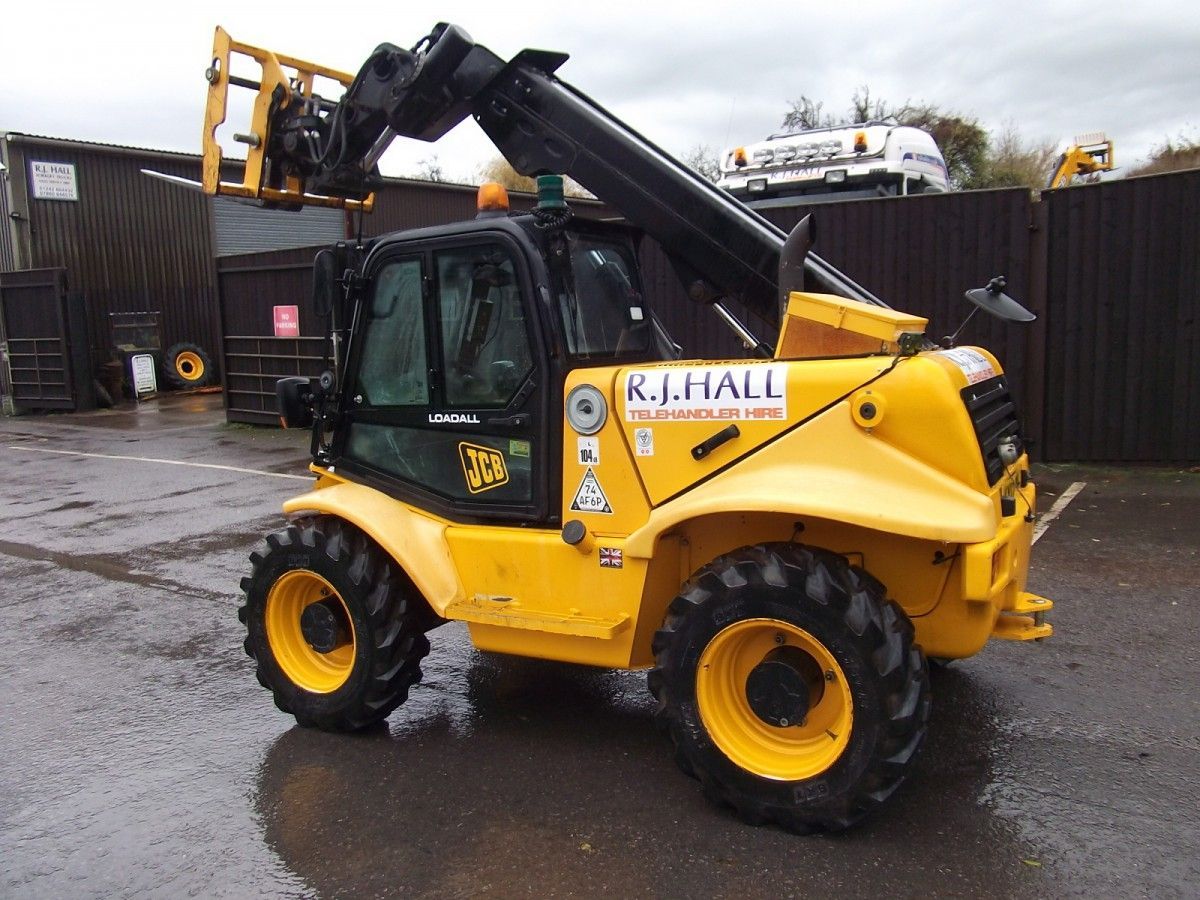
What to Look for When Buying a Used Forklift

26 February 2026
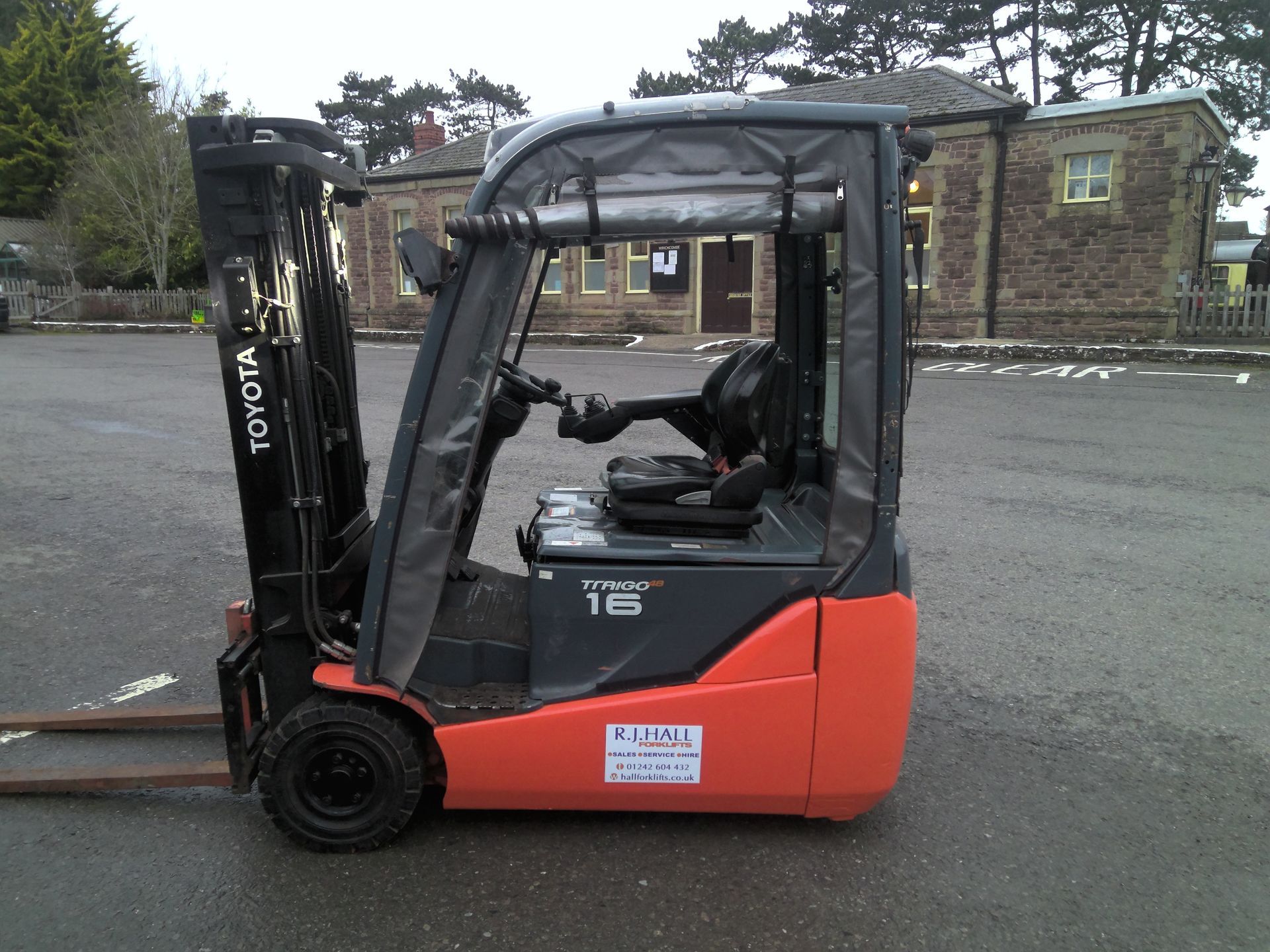
Why Buying a Used Forklift Makes Business Sense

Purchasing a used forklift can be a highly cost effective way to expand your fleet without overstretching your budget. For warehouses, distribution centres, agricultural businesses and construction sites, a second hand forklift offers reliable performance at a lower upfront investment.

However, choosing the right machine requires careful inspection and expert guidance.


Check the Service History and Overall Condition

One of the most important steps when buying a used forklift is reviewing its service and maintenance records.

Look for:

  • Documented servicing history
  • Records of inspections and part replacements
  • Evidence of compliance checks
  • Details of previous ownership

A well maintained forklift with clear documentation is far more likely to deliver dependable long term performance.

Also consider your typical load weight, maximum lifting height, and the type of loads you handle — whether pallets, containers, or irregular items. Choosing a forklift with slightly higher capacity than your heaviest expected load ensures safe operation and protects the longevity of the machine.

Inspect Key Components for Wear and Tear

When viewing used forklifts for sale, always assess the condition of critical components:

  • Mast and chains – Check for excessive wear or damage
  • Forks – Look for cracks, bending or uneven wear
  • Hydraulics – Ensure smooth lifting and lowering
  • Tyres – Examine tread depth and signs of deterioration
  • Hour meter – Compare usage hours with overall condition

These elements provide valuable insight into how heavily the machine has been used.


Make Sure It Matches Your Operational Needs

Not all forklifts are suitable for every environment. Before purchasing, consider:

  • Required lift capacity
  • Maximum lift height
  • Fuel type (electric, diesel or LPG)
  • Indoor vs outdoor use
  • Need for specialist attachments

Electric Forklifts

Ideal for indoor environments, offering lower running costs and zero emissions.

Diesel or LPG Forklifts

Better suited for outdoor work or heavier lifting tasks.

Choosing the correct specification ensures your forklift performs efficiently and safely within your working environment.


Assess Your Environment and Site Layout

Before selecting a forklift, consider where it will operate. Smooth warehouse floors are suited to cushion tyres, while rough outdoor surfaces require pneumatic tyres for better traction. Aisle width, ceiling height, and storage layout may determine whether you need a standard forklift, narrow aisle model, or reach truck.


Always Take a Test Drive

A test drive can reveal issues that aren’t visible during inspection. Pay attention to:

  • Steering responsiveness
  • Brake performance
  • Smooth gear changes
  • Unusual engine or transmission noises
  • Warning lights on the dashboard

If anything feels inconsistent, it’s worth investigating further before committing.


Think Beyond the Purchase Price

While it may be tempting to choose the cheapest option available, focusing solely on price can lead to higher costs in the long term. Hidden mechanical issues can result in:

  • Unexpected repair bills
  • Increased downtime
  • Reduced productivity
  • Safety risks

Investing in a quality, fully inspected used forklift from a reputable supplier offers better long term value and peace of mind.


Look beyond the initial purchase price and consider total cost of ownership, including fuel or electricity costs, ongoing maintenance, parts availability, and potential downtime. Investing in a high quality, fully inspected forklift reduces unexpected expenses, improves reliability, and ensures smooth operations over the long term.


Work with a Trusted Forklift Dealer

Choosing an established forklift dealer ensures:

  • Transparent machine history
  • Thorough inspections
  • Expert advice
  • Ongoing servicing support

If you’re looking for reliable used forklifts for sale and dependable after sales support, working with an experienced specialist such as RJ Hall Forklifts helps you invest with confidence and find the right solution for your business needs.


Why Buy from RJ Hall Forklifts

When purchasing a used forklift, choosing a trusted and experienced supplier makes all the difference. At RJ Hall Forklifts, every used truck is carefully inspected and prepared to ensure reliability, safety, and long term value.

We pride ourselves on offering transparent advice, quality machinery, and ongoing support to businesses across Cheltenham and the wider region. Whether you’re expanding your fleet or buying your first forklift, our team is here to guide you every step of the way.

Speak to our specialists today to find the right used forklift for your needs and invest with confidence.

Call us on
01242 604432 or contact us online ›
More industry insights

20 April 2026
How Flexible Hire Keeps Your Operation Moving Choosing to hire forklifts and telehandlers can be a strategic decision for businesses that need flexibility, predictable costs, and access to modern equipment without the long‑term commitment of ownership. Hiring forklifts, telehandlers, and other material‑handling equipment offers businesses a practical way to stay flexible, control costs, and reduce downtime. Whether you’re dealing with seasonal peaks, unexpected breakdowns, or long‑term operational growth, hire solutions give you access to reliable, well‑maintained machinery without the financial pressure of ownership. For many businesses, the decision comes down to utilisation, cash flow, and the need for operational agility. If your workload fluctuates or you want predictable monthly costs with minimal maintenance responsibility, hiring is often the most efficient route. If you have constant, high‑hour usage over many years, buying may still be worth considering — but even then, hire can play a valuable role in covering gaps or trialling new technology. Whatever your situation, understanding the differences between hire and purchase helps you make informed, cost‑effective decisions that keep your operation running smoothly. Why Hiring Equipment Makes Sense Hiring converts large capital purchases into manageable operating costs and lets you match capacity to demand. It is particularly useful for: Seasonal peaks and short projects where extra capacity is needed for a limited time. One‑off or specialist tasks that require a machine you don’t want to keep on the fleet. Trialling new technology to evaluate performance and operator acceptance before committing to purchase. Preserving cash flow so capital can be used for core business needs rather than tied up in assets. Reducing maintenance burden when hire agreements include servicing and breakdown support. Hiring is not just a stopgap — when used strategically it becomes a tool for operational agility and risk management. Hire versus Buy at a glance
15 April 2026
Choosing the right forklift is essential for keeping your operations safe, efficient, and productive. Whether you work in warehousing, manufacturing, construction, retail, or agriculture, the type of forklift you select will directly impact workflow, running costs, and operator safety. With over 40 years of experience in the materials handling industry, RJ Hall Forklifts helps businesses across Gloucestershire and surrounding counties choose the most suitable equipment for their environment. From compact electric warehouse trucks to heavy‑duty outdoor machines, each forklift type is designed with specific tasks and conditions in mind. Below, we break down the key forklift categories and the environments they’re best suited for. Indoor Forklifts: Ideal for Warehouses, Retail & Manufacturing Indoor environments require forklifts that are clean, quiet, and highly manoeuvrable. The most common options include: Electric Counterbalance Forklifts Electric counterbalance trucks are one of the most popular choices for indoor operations. Best for: Warehouses Manufacturing facilities Food production Retail stockrooms Key features: Zero emissions Quiet operation Excellent manoeuvrability Lower long‑term running costs Why choose electric? They’re perfect for enclosed spaces where ventilation is limited and noise levels need to be controlled. Their compact design also allows operators to work efficiently in tight aisles. Reach Trucks Designed specifically for warehouse racking systems, reach trucks excel in narrow aisles and high‑level storage. Best for: High‑bay warehouses Distribution centres Cold stores Key features: Extended reach for tall racking Narrow chassis for tight aisles Excellent visibility for operators If your business relies on vertical storage, a reach truck is often the most efficient choice. Powered Pallet Trucks & Stackers These compact machines are ideal for fast‑paced warehouse operations. Best for: Loading bays Order picking Short distance pallet movement Key features: Easy to operate Low maintenance Ideal for confined spaces They’re perfect for businesses that need quick, efficient pallet handling without the need for a full size forklift. Outdoor Forklifts: Built for Tougher Conditions Diesel Counterbalance Forklifts Diesel forklifts are powerful, durable, and ideal for heavy‑duty outdoor work. Best for: Construction sites Timber yards Agriculture Industrial yards Key features: High torque for heavy loads Excellent performance on rough terrain Long operating hours Diesel trucks are the go‑to choice when strength and endurance are essential. LPG (Gas) Forklifts LPG forklifts offer a balance between indoor and outdoor performance. Best for: Mixed indoor/outdoor operations Warehouses with good ventilation Manufacturing sites Key features: Lower emissions than diesel Quick refuelling Strong lifting performance They’re versatile machines suitable for businesses that need flexibility across different environments. Rough Terrain Forklifts Designed for the harshest conditions, rough terrain forklifts are built to perform where standard trucks cannot. Best for: Construction Farming Landscaping Outdoor events Key features: Large pneumatic tyres High ground clearance Excellent stability on uneven surfaces If your site has mud, gravel, or slopes, a rough terrain forklift is essential. Warehouse Specific Forklifts: Maximising Space & Efficiency Modern warehouses often require specialised equipment to optimise storage and picking. Very Narrow Aisle (VNA) Trucks VNA trucks are engineered for maximum space efficiency. Best for: High density storage Warehouses with limited floor space Key features: Operate in extremely narrow aisles High lift heights Advanced guidance systems They allow businesses to increase storage capacity without expanding their premises. Order Pickers Order pickers are designed for fast, accurate picking in busy warehouse environments. Best for: E‑commerce Retail distribution High volume picking operations Key features: Operator platform lifts with the load Excellent visibility Ideal for multi level picking They significantly improve picking speed and accuracy. Key Factors to Consider When Choosing a Forklift Selecting the right forklift isn’t just about the environment — it’s about matching the machine to your operational needs. 1. Load Capacity Consider: Maximum load weight Load size Load centre Choosing a forklift with insufficient capacity can be dangerous and inefficient. 2. Lift Height Think about: Racking height Doorway clearance Overhead obstructions Different forklifts are designed for different lift requirements. 3. Manoeuvrability Narrow aisles and tight spaces require compact, agile machines such as reach trucks or electric counterbalance forklifts. 4. Fuel Type Your choice affects: Running costs Emissions Indoor air quality Refuelling/charging time 5. Terrain Smooth warehouse floors and uneven outdoor surfaces require very different forklift designs. Why Choose RJ Hall Forklifts? With decades of experience and a deep understanding of materials handling, RJ Hall Forklifts helps businesses choose the right equipment for their environment and workload. We offer: Expert advice tailored to your site A wide range of forklifts for indoor and outdoor use New and used forklift sales Short and long term hire options Professional servicing and maintenance ITSSAR accredited operator training Whether you’re upgrading your fleet or choosing your first forklift, we provide practical, honest guidance to ensure you get the right machine for the job. Frequently asked questions
20 April 2026
How Flexible Hire Keeps Your Operation Moving Choosing to hire forklifts and telehandlers can be a strategic decision for businesses that need flexibility, predictable costs, and access to modern equipment without the long‑term commitment of ownership. Hiring forklifts, telehandlers, and other material‑handling equipment offers businesses a practical way to stay flexible, control costs, and reduce downtime. Whether you’re dealing with seasonal peaks, unexpected breakdowns, or long‑term operational growth, hire solutions give you access to reliable, well‑maintained machinery without the financial pressure of ownership. For many businesses, the decision comes down to utilisation, cash flow, and the need for operational agility. If your workload fluctuates or you want predictable monthly costs with minimal maintenance responsibility, hiring is often the most efficient route. If you have constant, high‑hour usage over many years, buying may still be worth considering — but even then, hire can play a valuable role in covering gaps or trialling new technology. Whatever your situation, understanding the differences between hire and purchase helps you make informed, cost‑effective decisions that keep your operation running smoothly. Why Hiring Equipment Makes Sense Hiring converts large capital purchases into manageable operating costs and lets you match capacity to demand. It is particularly useful for: Seasonal peaks and short projects where extra capacity is needed for a limited time. One‑off or specialist tasks that require a machine you don’t want to keep on the fleet. Trialling new technology to evaluate performance and operator acceptance before committing to purchase. Preserving cash flow so capital can be used for core business needs rather than tied up in assets. Reducing maintenance burden when hire agreements include servicing and breakdown support. Hiring is not just a stopgap — when used strategically it becomes a tool for operational agility and risk management. Hire versus Buy at a glance
15 April 2026
Choosing the right forklift is essential for keeping your operations safe, efficient, and productive. Whether you work in warehousing, manufacturing, construction, retail, or agriculture, the type of forklift you select will directly impact workflow, running costs, and operator safety. With over 40 years of experience in the materials handling industry, RJ Hall Forklifts helps businesses across Gloucestershire and surrounding counties choose the most suitable equipment for their environment. From compact electric warehouse trucks to heavy‑duty outdoor machines, each forklift type is designed with specific tasks and conditions in mind. Below, we break down the key forklift categories and the environments they’re best suited for. Indoor Forklifts: Ideal for Warehouses, Retail & Manufacturing Indoor environments require forklifts that are clean, quiet, and highly manoeuvrable. The most common options include: Electric Counterbalance Forklifts Electric counterbalance trucks are one of the most popular choices for indoor operations. Best for: Warehouses Manufacturing facilities Food production Retail stockrooms Key features: Zero emissions Quiet operation Excellent manoeuvrability Lower long‑term running costs Why choose electric? They’re perfect for enclosed spaces where ventilation is limited and noise levels need to be controlled. Their compact design also allows operators to work efficiently in tight aisles. Reach Trucks Designed specifically for warehouse racking systems, reach trucks excel in narrow aisles and high‑level storage. Best for: High‑bay warehouses Distribution centres Cold stores Key features: Extended reach for tall racking Narrow chassis for tight aisles Excellent visibility for operators If your business relies on vertical storage, a reach truck is often the most efficient choice. Powered Pallet Trucks & Stackers These compact machines are ideal for fast‑paced warehouse operations. Best for: Loading bays Order picking Short distance pallet movement Key features: Easy to operate Low maintenance Ideal for confined spaces They’re perfect for businesses that need quick, efficient pallet handling without the need for a full size forklift. Outdoor Forklifts: Built for Tougher Conditions Diesel Counterbalance Forklifts Diesel forklifts are powerful, durable, and ideal for heavy‑duty outdoor work. Best for: Construction sites Timber yards Agriculture Industrial yards Key features: High torque for heavy loads Excellent performance on rough terrain Long operating hours Diesel trucks are the go‑to choice when strength and endurance are essential. LPG (Gas) Forklifts LPG forklifts offer a balance between indoor and outdoor performance. Best for: Mixed indoor/outdoor operations Warehouses with good ventilation Manufacturing sites Key features: Lower emissions than diesel Quick refuelling Strong lifting performance They’re versatile machines suitable for businesses that need flexibility across different environments. Rough Terrain Forklifts Designed for the harshest conditions, rough terrain forklifts are built to perform where standard trucks cannot. Best for: Construction Farming Landscaping Outdoor events Key features: Large pneumatic tyres High ground clearance Excellent stability on uneven surfaces If your site has mud, gravel, or slopes, a rough terrain forklift is essential. Warehouse Specific Forklifts: Maximising Space & Efficiency Modern warehouses often require specialised equipment to optimise storage and picking. Very Narrow Aisle (VNA) Trucks VNA trucks are engineered for maximum space efficiency. Best for: High density storage Warehouses with limited floor space Key features: Operate in extremely narrow aisles High lift heights Advanced guidance systems They allow businesses to increase storage capacity without expanding their premises. Order Pickers Order pickers are designed for fast, accurate picking in busy warehouse environments. Best for: E‑commerce Retail distribution High volume picking operations Key features: Operator platform lifts with the load Excellent visibility Ideal for multi level picking They significantly improve picking speed and accuracy. Key Factors to Consider When Choosing a Forklift Selecting the right forklift isn’t just about the environment — it’s about matching the machine to your operational needs. 1. Load Capacity Consider: Maximum load weight Load size Load centre Choosing a forklift with insufficient capacity can be dangerous and inefficient. 2. Lift Height Think about: Racking height Doorway clearance Overhead obstructions Different forklifts are designed for different lift requirements. 3. Manoeuvrability Narrow aisles and tight spaces require compact, agile machines such as reach trucks or electric counterbalance forklifts. 4. Fuel Type Your choice affects: Running costs Emissions Indoor air quality Refuelling/charging time 5. Terrain Smooth warehouse floors and uneven outdoor surfaces require very different forklift designs. Why Choose RJ Hall Forklifts? With decades of experience and a deep understanding of materials handling, RJ Hall Forklifts helps businesses choose the right equipment for their environment and workload. We offer: Expert advice tailored to your site A wide range of forklifts for indoor and outdoor use New and used forklift sales Short and long term hire options Professional servicing and maintenance ITSSAR accredited operator training Whether you’re upgrading your fleet or choosing your first forklift, we provide practical, honest guidance to ensure you get the right machine for the job. Frequently asked questions
19 March 2026
Forklift training in Gloucestershire and surrounding counties. RJ Hall Forklifts provides ITSSAR accredited courses for all operator levels.
20 April 2026
How Flexible Hire Keeps Your Operation Moving Choosing to hire forklifts and telehandlers can be a strategic decision for businesses that need flexibility, predictable costs, and access to modern equipment without the long‑term commitment of ownership. Hiring forklifts, telehandlers, and other material‑handling equipment offers businesses a practical way to stay flexible, control costs, and reduce downtime. Whether you’re dealing with seasonal peaks, unexpected breakdowns, or long‑term operational growth, hire solutions give you access to reliable, well‑maintained machinery without the financial pressure of ownership. For many businesses, the decision comes down to utilisation, cash flow, and the need for operational agility. If your workload fluctuates or you want predictable monthly costs with minimal maintenance responsibility, hiring is often the most efficient route. If you have constant, high‑hour usage over many years, buying may still be worth considering — but even then, hire can play a valuable role in covering gaps or trialling new technology. Whatever your situation, understanding the differences between hire and purchase helps you make informed, cost‑effective decisions that keep your operation running smoothly. Why Hiring Equipment Makes Sense Hiring converts large capital purchases into manageable operating costs and lets you match capacity to demand. It is particularly useful for: Seasonal peaks and short projects where extra capacity is needed for a limited time. One‑off or specialist tasks that require a machine you don’t want to keep on the fleet. Trialling new technology to evaluate performance and operator acceptance before committing to purchase. Preserving cash flow so capital can be used for core business needs rather than tied up in assets. Reducing maintenance burden when hire agreements include servicing and breakdown support. Hiring is not just a stopgap — when used strategically it becomes a tool for operational agility and risk management. Hire versus Buy at a glance
15 April 2026
Choosing the right forklift is essential for keeping your operations safe, efficient, and productive. Whether you work in warehousing, manufacturing, construction, retail, or agriculture, the type of forklift you select will directly impact workflow, running costs, and operator safety. With over 40 years of experience in the materials handling industry, RJ Hall Forklifts helps businesses across Gloucestershire and surrounding counties choose the most suitable equipment for their environment. From compact electric warehouse trucks to heavy‑duty outdoor machines, each forklift type is designed with specific tasks and conditions in mind. Below, we break down the key forklift categories and the environments they’re best suited for. Indoor Forklifts: Ideal for Warehouses, Retail & Manufacturing Indoor environments require forklifts that are clean, quiet, and highly manoeuvrable. The most common options include: Electric Counterbalance Forklifts Electric counterbalance trucks are one of the most popular choices for indoor operations. Best for: Warehouses Manufacturing facilities Food production Retail stockrooms Key features: Zero emissions Quiet operation Excellent manoeuvrability Lower long‑term running costs Why choose electric? They’re perfect for enclosed spaces where ventilation is limited and noise levels need to be controlled. Their compact design also allows operators to work efficiently in tight aisles. Reach Trucks Designed specifically for warehouse racking systems, reach trucks excel in narrow aisles and high‑level storage. Best for: High‑bay warehouses Distribution centres Cold stores Key features: Extended reach for tall racking Narrow chassis for tight aisles Excellent visibility for operators If your business relies on vertical storage, a reach truck is often the most efficient choice. Powered Pallet Trucks & Stackers These compact machines are ideal for fast‑paced warehouse operations. Best for: Loading bays Order picking Short distance pallet movement Key features: Easy to operate Low maintenance Ideal for confined spaces They’re perfect for businesses that need quick, efficient pallet handling without the need for a full size forklift. Outdoor Forklifts: Built for Tougher Conditions Diesel Counterbalance Forklifts Diesel forklifts are powerful, durable, and ideal for heavy‑duty outdoor work. Best for: Construction sites Timber yards Agriculture Industrial yards Key features: High torque for heavy loads Excellent performance on rough terrain Long operating hours Diesel trucks are the go‑to choice when strength and endurance are essential. LPG (Gas) Forklifts LPG forklifts offer a balance between indoor and outdoor performance. Best for: Mixed indoor/outdoor operations Warehouses with good ventilation Manufacturing sites Key features: Lower emissions than diesel Quick refuelling Strong lifting performance They’re versatile machines suitable for businesses that need flexibility across different environments. Rough Terrain Forklifts Designed for the harshest conditions, rough terrain forklifts are built to perform where standard trucks cannot. Best for: Construction Farming Landscaping Outdoor events Key features: Large pneumatic tyres High ground clearance Excellent stability on uneven surfaces If your site has mud, gravel, or slopes, a rough terrain forklift is essential. Warehouse Specific Forklifts: Maximising Space & Efficiency Modern warehouses often require specialised equipment to optimise storage and picking. Very Narrow Aisle (VNA) Trucks VNA trucks are engineered for maximum space efficiency. Best for: High density storage Warehouses with limited floor space Key features: Operate in extremely narrow aisles High lift heights Advanced guidance systems They allow businesses to increase storage capacity without expanding their premises. Order Pickers Order pickers are designed for fast, accurate picking in busy warehouse environments. Best for: E‑commerce Retail distribution High volume picking operations Key features: Operator platform lifts with the load Excellent visibility Ideal for multi level picking They significantly improve picking speed and accuracy. Key Factors to Consider When Choosing a Forklift Selecting the right forklift isn’t just about the environment — it’s about matching the machine to your operational needs. 1. Load Capacity Consider: Maximum load weight Load size Load centre Choosing a forklift with insufficient capacity can be dangerous and inefficient. 2. Lift Height Think about: Racking height Doorway clearance Overhead obstructions Different forklifts are designed for different lift requirements. 3. Manoeuvrability Narrow aisles and tight spaces require compact, agile machines such as reach trucks or electric counterbalance forklifts. 4. Fuel Type Your choice affects: Running costs Emissions Indoor air quality Refuelling/charging time 5. Terrain Smooth warehouse floors and uneven outdoor surfaces require very different forklift designs. Why Choose RJ Hall Forklifts? With decades of experience and a deep understanding of materials handling, RJ Hall Forklifts helps businesses choose the right equipment for their environment and workload. We offer: Expert advice tailored to your site A wide range of forklifts for indoor and outdoor use New and used forklift sales Short and long term hire options Professional servicing and maintenance ITSSAR accredited operator training Whether you’re upgrading your fleet or choosing your first forklift, we provide practical, honest guidance to ensure you get the right machine for the job. Frequently asked questions
19 March 2026
Forklift training in Gloucestershire and surrounding counties. RJ Hall Forklifts provides ITSSAR accredited courses for all operator levels.
More Articles →